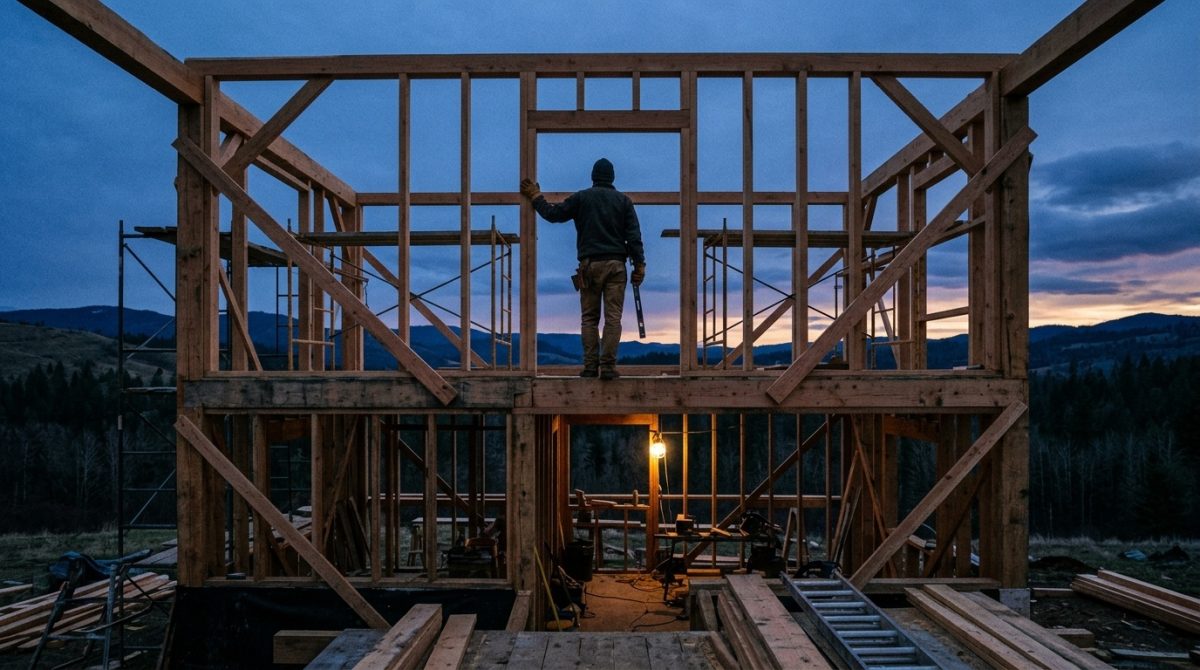
“Being primary sounds simple enough, maybe not even worth bringing up. But it’s actually pretty rare, so I think it deserves more attention than it gets.”
Being primary means you create from your own will, sparked by your own ideas. You come up with something, test it, shape it into something real, and accept that it might fail. You do things no one else has tried before.
Most activity does not work this way. It follows tracks already laid down by someone else. Even people who appear independent — freelancers, consultants, the self-employed — often still operate inside structures someone else built. They execute variations on existing models rather than originating new ones.
The difference is not about having a boss. It is about whether the direction comes from inside or outside.
I used to experience this with people with a goal to be more free. There are two kinds of freedom. “Freedom from” means you have no boss, no one telling you what to do, etc. But being primary is something much more rare, even with the hardcore libertarians — people who do things, out of their will. They decide what to do from within and do it. That’s the creative side of liberty. That something actually comes out.
The Activist Trap
Emma from Tamers of Entropy described the trap clearly in her Nostr post:
“Being primary means you produce from your inner creativity, not from something handed down by the hierarchies. A few decades ago I used to admire leftist reformers and activists. I didn’t agree with them, but I liked their attitude—‘we’re going to fix that, someone has to do it.’ It felt like real action, like people refusing to wait around for someone else to handle things. Then I realized it wasn’t primary action at all. Their version of ‘doing it’ always came down to either persuading those in power to make changes or inserting themselves into the hierarchy, only to discover their revolutionary ideas were mostly shaped by instructions from above. It’s naive, sure, but more than that it’s a waste of creative energy. Since I don’t share their ideas anyway, it doesn’t bother me much. I just stopped admiring it.”
The energy looks primary from a distance. People are moving, organizing, pushing. But the frame is still reactive. The goal is to influence or capture existing power rather than to build something that does not need that power to exist.
The same pattern appears elsewhere. Corporate reformers who want to make their company “more ethical” while staying inside the incentive structure that made it unethical. Academics who criticize the university system but still need its credentials and funding. Technologists who complain about big tech platforms while building on their infrastructure.
None of this is primary. It is derivative work performed inside someone else’s system.
What Primary Actually Looks Like
What Emma admires instead is rarer:
“What I do admire are people who code things because they feel like it, open businesses, or start projects out of some inner drive to put their own stuff into the world. Like I mentioned yesterday, it’s incredibly rare. I think there are more psychopaths than actual primary creators out there.”

Primary action does not require permission or an existing audience. It starts because the person cannot not do it. The output may be useless to anyone else. It may fail commercially. It may never be understood. None of that changes the fact that it originated from inside rather than from outside.
The signal is simple: the person would have done it even if no one was watching.
Why It Is Rare
There are more psychopaths than primary creators.
This is not a moral claim, but a structural one. Psychopathy is relatively stable across populations. Primary creation is actively selected against by most modern environments. Hierarchies reward people who execute someone else’s plan well. Markets reward people who serve existing demand. Social media rewards people who amplify the current mood.
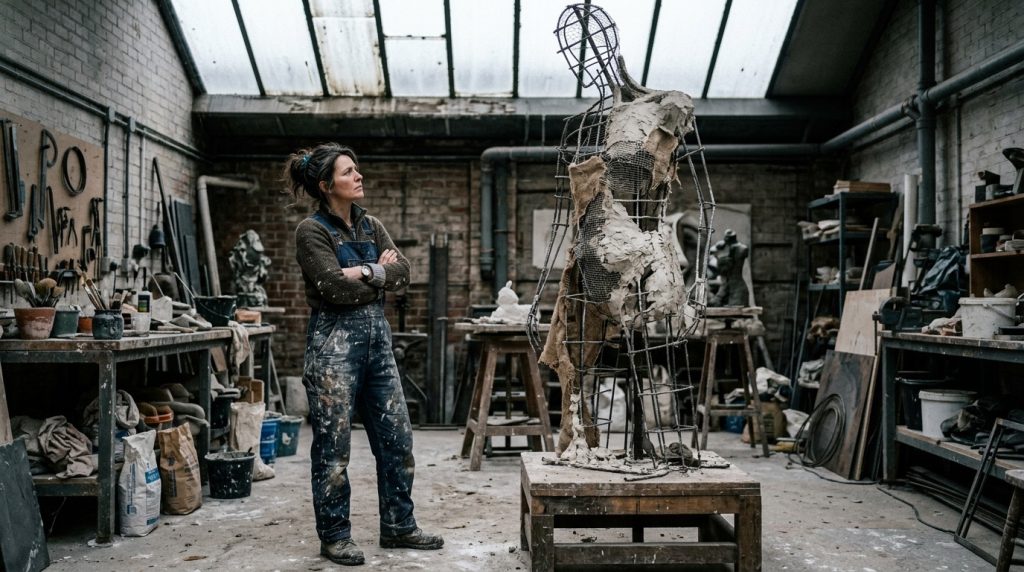
None of these systems particularly need people who generate new directions from nothing, although if the creation is so good it can’t be ignored, they are rewarded very well.
Primary creators are often slightly misaligned with their surroundings. They are harder to manage, harder to predict, and harder to scale. That misalignment is the cost of the output.
Emma is from Tamers of Entropy, a story about surveillance, freedom, and the edges of what it means to be human. Her Nostr posts are hers.