juraj
-

Token poverty: can you use freely available AI to do productive work?
I rebuilt an old QR code app using only LLMs that need no credit card. It opened and mostly worked, and it showed me how wide the gap is between free models…
-

What do Google Play services really do on GrapheneOS? I looked inside
I looked inside Google Play services to find out what exactly they do. Here is what they give you on GrapheneOS, what it costs, and which settings make it cost less.
-

If Bitcoin does 100x, where does the electricity come from?
A friend told me Bitcoin can’t go up 100x because there isn’t enough electricity to mine it. I think hashrate follows price, not the other way around, so I ran the numbers…
-

How well do wrapped bitcoin and stablecoins hold their peg? A year of DEX prices
Four wrapped bitcoins and six stablecoins, each compared to what it tracks. cbBTC and USDC sit at par, WBTC trades a bit below BTC, and LUSD trades above the dollar.
-

Seven magic tricks inside one AI request
How a routstr node can forward your AI request with its own API key without reading your prompt, and you can talk to the provider without seeing that key. The whole act…
-

Confidential inference on Routstr without trusted hardware
A Routstr node can now resell AI inference without reading your prompts or answers, and without giving you its API key. It needs no enclaves, only the provider’s TLS certificate, zero-knowledge proofs…
-

A prompt-injection gate for my AI agent: what worked, what didn’t, and the benchmark
I put a prompt-injection gate in front of my AI agent and benchmarked five detectors on 1,947 public items. The best caught 91% of attacks at about 4% false positives, including instructions…
-
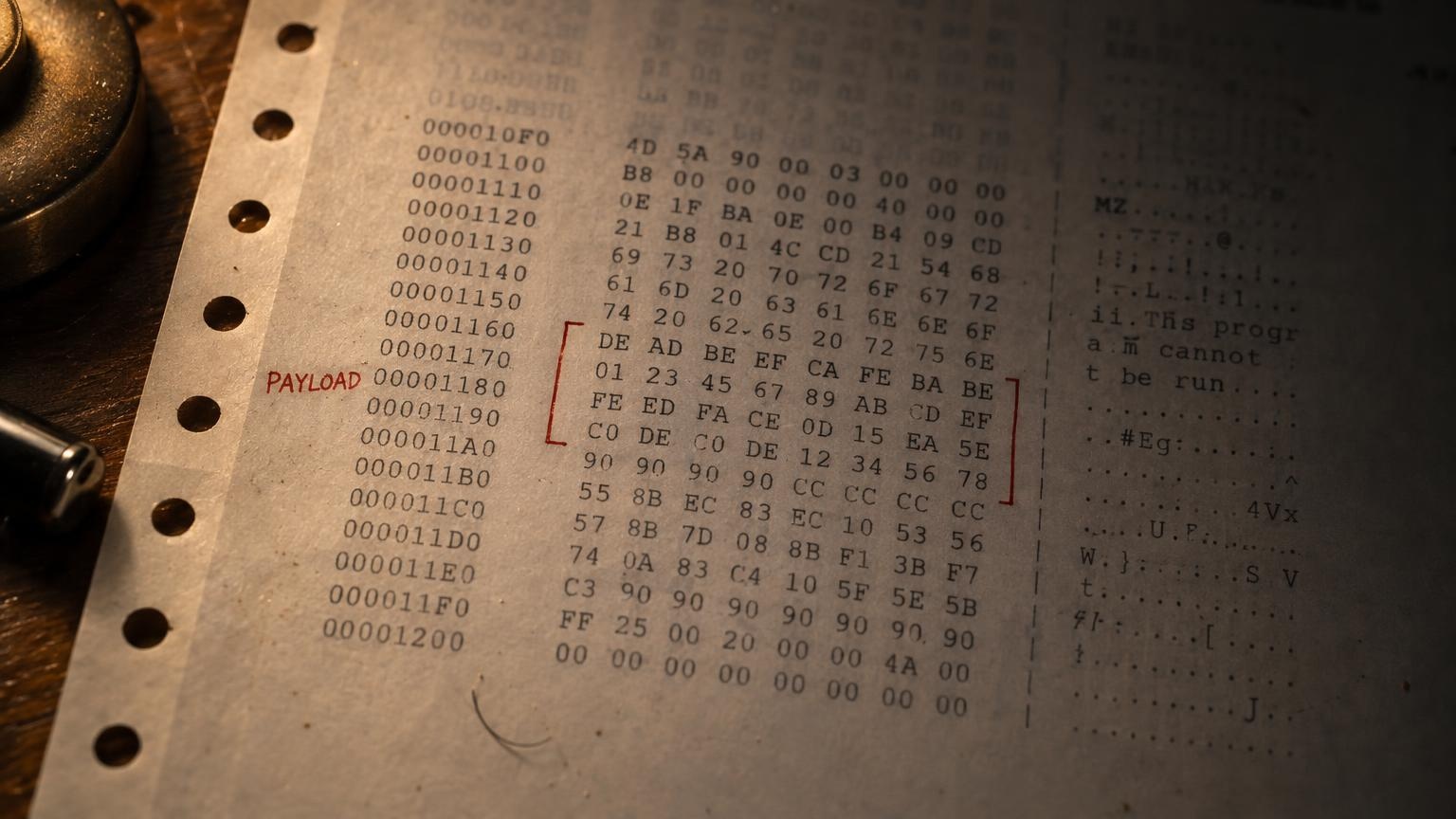
Ten AI models vs embargoed Core Lightning: A case study of AI for security auditing
Speed: 1×1.25×1.5×1.75×2× · Download MP3 (7 MB)Audio version of the article (about 11 minutes). Synthetic voice. Full write-up and audits available here. On 26 August 2026 the Core Lightning maintainers told operators…
-
False dichotomy: privacy vs. user-friendly
I switched from Apple to GrapheneOS and I’m trying Omarchy. Why the idea of “privacy but inconvenient” versus “convenient but no privacy” doesn’t hold up.
-

Hardware attestation for end-to-end encrypted AI inference
A follow-up to the hardware attestation piece: what happens when the same chip-level attestation that locks down your phone gets pointed at AI inference instead — Venice, Phala, and what I found…